
Does a long delay make a historic sexual-offence conviction unsafe?
Historic sexual-offence trials can concern allegations made decades after the events. Memories may have faded, records may have been destroyed and potential witnesses may no longer be available. Those difficulties can be central to the defence, but the passage of time does not by itself make a conviction unsafe.
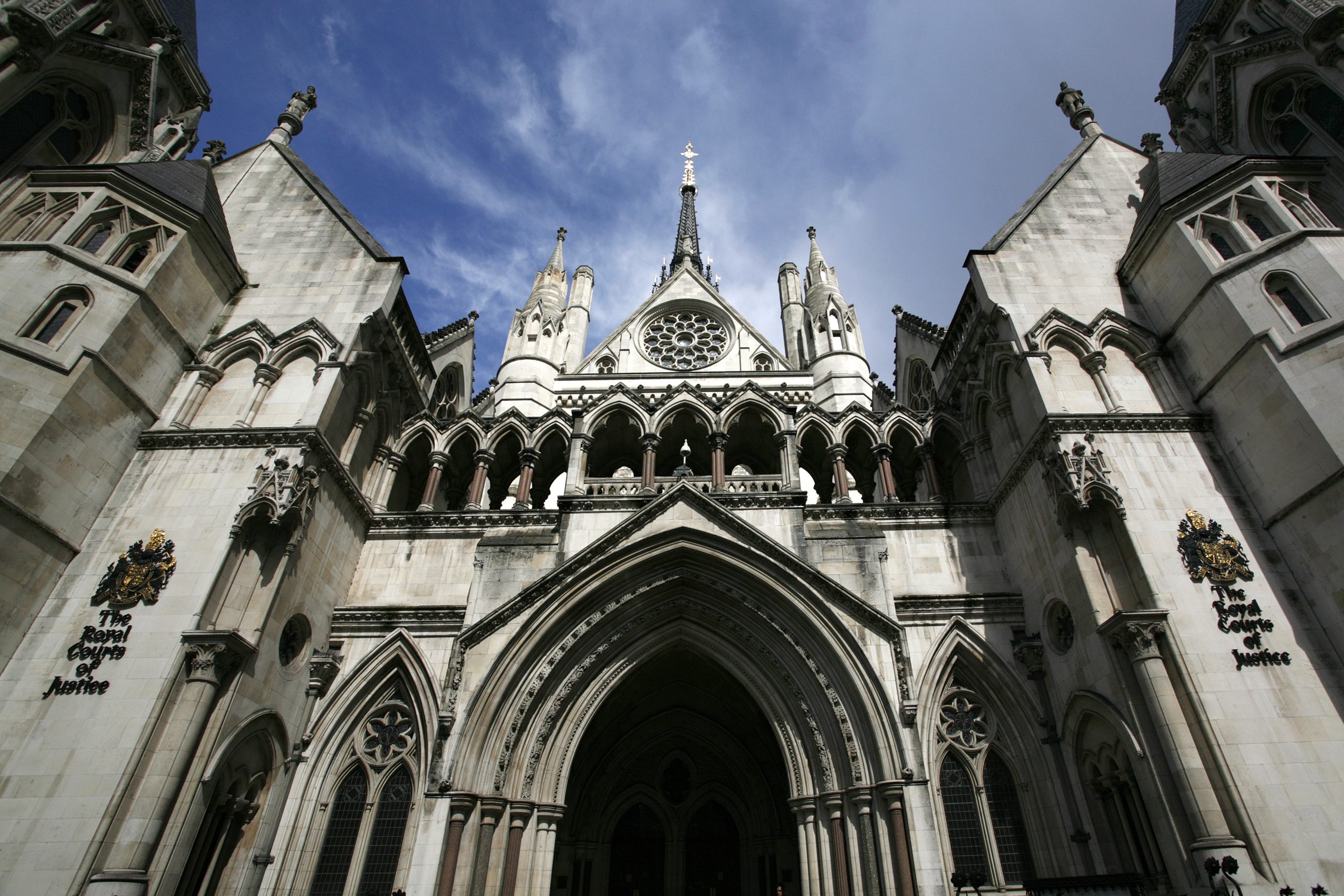
The Court of Appeal considered delay, bad-character evidence and jury directions in R v Adams [2026] EWCA Crim 1047. It refused a very late attempt to appeal convictions arising from allegations by several former pupils. The judgment confirms established principles: the jury must be helped to assess the practical effect of delay, and properly admitted evidence from another complainant can affect a defendant’s claim to good character.
Is there a time limit for prosecuting a serious sexual offence?
There is no general limitation period preventing the prosecution of serious sexual offences in England and Wales. An allegation is not barred simply because it concerns conduct said to have happened 20, 30 or 40 years ago. The oldest allegation we have dealt with involved a rape said to have occurred 50 years before it was report to police!
The prosecution must prove the offence beyond reasonable doubt. Delay may make that task harder. It can also place the defence at a disadvantage. The legal question is whether the defendant can still receive a fair trial, not whether a fixed number of years has passed.
In an exceptional case, the court can stay proceedings as an abuse of process where the delay has made a fair trial impossible. That is a demanding test. Courts recognise that a jury can often evaluate the weaknesses caused by delay if the evidence is presented fairly and the judge gives an appropriate direction.
What happened in the case of Adams?
The appellant was a former teacher and mentor. He had been convicted in two sets of proceedings concerning sexual allegations by a number of complainants over a lengthy period. After the first convictions, evidence from another complainant was admitted at the later trial as bad-character evidence relevant to his propensity to commit that sort of offence.
The renewed application to appeal the convictions was made 1,040 days out of time. The explanation for that delay was that there had been some problem obtaining transcripts of the trial, which the court of appeal said was inadequate. The proposed grounds argued that the bad-character evidence undermined the good-character direction and that the trial judge’s direction about delay was insufficient.
The Court of Appeal rejected those arguments. It held that the bad-character evidence had been properly admitted and that a modified, rather than full, good-character direction was inevitable. The judge also explained how the evidence relating to different complainants could and could not be used.
The court concluded that the trial had been fair and the convictions were safe.
What must the jury be told about delay?
A trial judge should draw attention to the ways in which delay may affect the evidence and the defence. The precise direction depends on the issues in the case. It may cover faded memories, the risk that recollections have changed, missing documents, unavailable witnesses and the loss of an opportunity to investigate the allegation close to the time.
The judge does not have to deliver a long explanation in every case. In Adams, a succinct direction was sufficient because it addressed the disadvantage actually relied on and the parties had agreed the directions. The quality of the direction is assessed in the setting of the whole trial.
For the defence, this underlines the value of identifying concrete prejudice. “This happened a long time ago” is less persuasive than explaining that a named witness has died, a relevant register was destroyed, a location has changed beyond recognition, or contemporaneous messages cannot now be recovered.
When could delay make a trial unfair?
A stay for abuse of process may be considered where the court cannot protect the defendant through ordinary trial procedures. The loss of evidence must be examined carefully. The absence of material does not automatically help the defence: it matters what the material was likely to show and whether the remaining evidence allows the allegation to be tested fairly.
The court can take steps short of stopping the case. It can allow evidence explaining why records are missing, ensure the defence can explore the lost opportunity in cross-examination, exclude unreliable or unfair evidence where the statutory test is met, and give the jury a tailored warning.
The defence should investigate the effect of delay at the earliest stage. Potential sources can include school files, employment and personnel records, medical notes, social-services records, diaries, photographs, address histories, travel records, archived emails, institutional policies and witnesses who can describe routines or layouts. In one case, we were able to obtain merchant shipping records to show our client could not have been present to commit the offence of which he was accused. Even evidence that a record once existed but was destroyed can help the court understand what has been lost and thus why it is unfair to permit the trial to continue.
What is bad-character evidence?
Under the Criminal Justice Act 2003, bad character broadly means evidence of misconduct other than evidence directly connected with the alleged facts of the offence or its investigation or prosecution. It can include previous convictions and, in some cases, allegations which did not lead to a conviction.
Bad-character evidence must pass through one of the statutory gateways to be admitted as evidence at trial. A common gateway is that it is relevant to an important matter in issue between the defendant and the prosecution, including a propensity to commit offences of the kind charged or a propensity to be untruthful where that is genuinely in issue.
In a case involving several complainants, the prosecution may also argue that one complainant’s evidence supports the case concerning another. The judge must decide admissibility and the jury must be directed on the legitimate use of the evidence.
Does evidence from another complainant prove the allegation?
No. Similarity or repetition can be relevant, but it does not relieve the prosecution of proving each count. A jury must not reason that because several allegations exist, all of them must be true.
The jury may need to consider whether the accounts are genuinely independent, whether there was an opportunity for contamination or collusion, how distinctive the alleged behaviour is, and whether there is an innocent explanation for any similarity. The judge should explain the permitted reasoning and warn against circular logic.
In Adams, the Court of Appeal regarded the cross-admissibility direction as exemplary. That conclusion was important to its finding that the convictions were safe.
How can bad-character evidence affect good character?
A defendant with no previous convictions may be entitled to a good-character direction. Traditionally, this has two parts: good character may support the defendant’s credibility if they give evidence, and may make it less likely that they committed the offence.
The direction is not all or nothing. If the court admits other misconduct as bad-character evidence, an unqualified direction may give the jury a misleading picture. A modified direction may still recognise the absence of convictions or other positive features while explaining the admitted material and its proper use.
The leading guidance in R v Hunter [2015] EWCA Crim 631 emphasises that directions must be adapted to the facts. In Adams, once the other complainant’s evidence had been admitted, a full conventional good-character direction was not available. The judge’s modified approach was upheld.
How should the defence prepare a historic allegation?
Preparation needs to run on two tracks. First, the defence must test the allegation itself: dates, locations, opportunity, disclosure history, inconsistencies and supporting or undermining material. Secondly, it must identify what has been lost through time and show why that loss matters.
A defendant should avoid conducting their own investigation by contacting a complainant or potential witness. That can create fresh allegations and damage the defence. Instead, provide the legal team with a detailed chronology, names, possible records and any material already held. Digital files should be preserved in their original form rather than edited or selectively copied.
Applications about bad character, hearsay, disclosure or abuse of process often have strict directions and need written argument. They should be addressed before the jury is sworn wherever possible.
What if a conviction has already occurred?
An application for permission to appeal against conviction should be filed with the court within 28 days of conviction. A late application must explain the entire period of delay and show an arguable ground. The 1,040-day delay in Adams was a substantial additional obstacle, although the Court of Appeal also considered the proposed grounds and rejected them on their merits.
An appeal from a Crown Court conviction is not a retrial. The central question is whether the conviction is unsafe. Each ground of appeal must be fully assessed by the appeal court, which means putting forward a strong and persuasive case – it is not for nothing that some people call the court of appeal the court of upholding criminal convictions! Persuading the appeal court that a trial was flawed is a very high and difficult hurdle to overcome.
Anyone considering an appeal should obtain the indictment and original evidence from the trial, transcripts, written legal arguments, rulings, jury directions and advice from trial counsel promptly.
How Chetwode Criminal Defence Solicitors can help
Chetwode Criminal Defence Solicitors represents people facing historic sexual allegations and advises on appeals following conviction. We can investigate the effect of delay, pursue disclosure, locate historic records, work with experts and prepare focused arguments about bad character and the fairness of the proceedings.
If you have been contacted by the police or served with court papers, early advice gives the defence the best chance to preserve material before it disappears. If the case has already concluded, contact us promptly because appeal time limits are short.